What Every New Jersey Homeowner Should Know About Pool Fences Before Installation in Pequannock, NJ
A backyard pool is one of the best things a New Jersey home can have. From the first warm weekend in late spring through the long evenings of August, it becomes the center of the property, the place the family gathers and the kids never want to leave. But a pool also brings a responsibility that does not take the summer off, and the fence around it is the single most important piece of that responsibility. A pool fence is not an accessory you add to make the yard look finished. It is a safety barrier, it is a legal requirement, and when it is chosen well, it is also a design element that makes the whole space look better.
Most homeowners do not think much about pool fencing until they are standing in the backyard trying to figure out what the township will and will not approve. The rules are more specific than people expect, the options are more varied, and the difference between a fence that simply encloses the pool and one that protects, complies, and looks right is largely a matter of knowing what to ask before anything goes in the ground.
Related: Top Pool Fence Solutions in Rockland County, NY & Orange County, NY
Why a Pool Fence Is About Code Before It Is About Anything Else
In New Jersey, pool barriers are governed by the state's adoption of the residential pool code, and the requirements are not suggestions. They exist because a fence is the last line of protection between a child and an unsupervised pool, and the specifications reflect exactly that purpose. Before a homeowner thinks about color or material, the fence has to satisfy the dimensions and details the code lays out, and the local township will inspect for them.
These are the elements that most often determine whether a pool fence passes:
Barrier height is set by code, and a fence that falls short by even a few inches will not pass inspection regardless of how well it is built. The full enclosure has to meet the minimum from the outside grade.
Gaps and spacing are tightly controlled. The space beneath the fence, the gaps between vertical members, and any openings have to be small enough that a small child cannot pass through or under the barrier.
Gates have to be self closing and self latching, with the latch positioned at the height the code specifies and the gate swinging away from the pool. This is the detail most do it yourself installations get wrong.
Anything climbable on the exterior side of the fence creates a code problem, so the design has to avoid horizontal members or features that could function as a foothold.
Where a house wall serves as part of the barrier, additional alarm or door requirements come into play, which changes the design of the rest of the enclosure.
Getting these right is not glamorous work, but it is the whole point of the fence. A barrier that looks beautiful and fails any one of these requirements is not a pool fence; it is a liability waiting for an inspection. This is the part of the process where working with a team that installs pool fencing every season, and knows how each township in the area reads the code, saves a homeowner from the expensive cycle of installing, failing, and reworking.
The Material Options and What Each One Offers
Once the code requirements are understood, the choice of material is where the homeowner gets to make the fence their own. Each option carries the safety function differently and brings its own look, maintenance profile, and price. In the New Jersey climate, with its hot humid summers, freezing winters, and the freeze thaw swings of the shoulder seasons, durability is not a minor consideration. The fence has to hold its line and its finish through all of it.
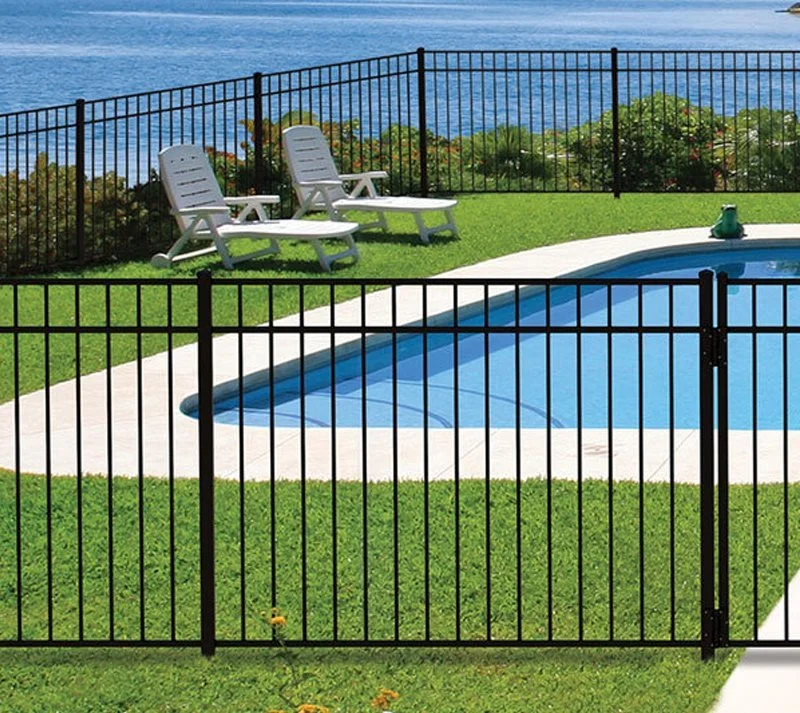
Aluminum is the most popular choice for pool enclosures in the region for good reason. It delivers the clean, open look of traditional ornamental fencing without the rust that plagues steel or iron, and it stands up to constant exposure to splashing pool water and chlorine. The vertical picket design suits the code requirements naturally, and the powder coated finish holds up through New Jersey winters without flaking or fading. For homeowners who want to keep the view to the rest of the yard open while still meeting every barrier requirement, aluminum is usually the answer.
Vinyl offers a different approach, providing more privacy and a substantial, low maintenance look that never needs painting or staining. It resists moisture entirely, which makes it well suited to the poolside environment, and it holds its color over the years. For a homeowner who wants the pool area to feel enclosed and private rather than open to the rest of the property, a vinyl pool enclosure can do both jobs at once.
There are also specialized pool barrier systems designed specifically for the safety application, built to meet the code requirements out of the box while remaining removable or adjustable depending on the household's needs. These are worth discussing when the priority is maximum protection with flexibility, particularly for families with very young children who want a barrier that can adapt as the kids grow.
The right material depends on the look the homeowner wants, the level of privacy the yard needs, the existing fencing on the property, and the budget. There is no single best answer, only the best fit for the specific home, which is exactly the kind of decision that benefits from seeing the options in person and talking through how each one behaves over time in this climate.
How the Fence Fits the Rest of the Yard
A pool fence does not exist in isolation. It sits inside a backyard that already has a look, and the best installations treat the fence as part of that picture rather than an obstacle dropped into the middle of it. The material, color, and style of the pool enclosure can either fight with the rest of the property or pull it together.
When the pool fence echoes the other fencing on the property, matches the trim of the house, or complements the hardscape around the pool, the whole yard reads as one intentional space. An aluminum enclosure in a finish that picks up the dark accents of the home, or a vinyl barrier that continues the privacy fencing along the property line, makes the pool feel like it was always part of the plan. The alternative, a fence that clearly exists only because the township required it, makes even a beautiful pool feel like it has a chain link afterthought wrapped around it.
This is also where the placement of gates and the flow of the space matter. The fence has to keep the pool secure, but it also has to let the family move easily between the house, the patio, and the water without fighting a poorly placed gate every time they carry out a tray of food. Thinking through how the household actually uses the yard, where people enter, where they gather, where the line of sight from the house to the pool needs to stay open, turns a code barrier into something that genuinely improves how the backyard works.
A team that handles the full range of residential fencing, from privacy fences to aluminum to custom work, can make sure the pool enclosure speaks the same design language as everything else around it rather than standing out as the one piece that does not belong.
Related: 6 Ways Pool Fences Enhance Outddor Fun for Active Kids and Pets in Morris County, NJ
Keeping a Pool Fence Sound Through New Jersey Seasons
A pool fence has to do its job not just the day it is installed but every season after, and the New Jersey climate works hard against anything left in the ground year round. The summer humidity, the winter freeze, and the constant exposure to pool chemicals all put stress on the materials, which is exactly why the choice of material and the quality of the installation matter so much over the long run.
Aluminum and vinyl are popular for pool enclosures partly because they shrug off the conditions that would degrade other materials. They do not rust, they do not rot, and they do not need the repainting or sealing that wood demands. But even the most durable fence depends on how well it was set in the first place. Posts that are not seated below the frost line, or that are installed in poorly compacted ground, can shift as the soil freezes and thaws across the winter, throwing gates out of alignment and loosening the structure over time. A gate that no longer self closes and self latches because the posts have moved is not just an annoyance; it is a barrier that has stopped doing its safety job.
This is the quiet argument for professional installation backed by quality materials and manufacturer warranties. A fence set correctly for the soil and climate, with hardware rated for constant outdoor use, holds its line and its function for years. The homeowner who cuts corners on the installation often ends up paying again to correct the heaving, the sagging, and the failed hardware that follow. Getting it right once, with materials and workmanship built for the conditions, is what keeps a pool fence both compliant and good looking long after the first season.
What to Expect From the Installation Process
The smoothest pool fence projects start well before anyone digs a post hole. They start with an on site visit, accurate measurements, and an honest conversation about what the township will require, what materials suit the property, and how the layout should work. The permitting and inspection process for pool barriers in New Jersey is specific, and having someone who handles it routinely, who knows the local requirements and how each town applies them, removes the part of the project that frustrates homeowners most.
From there, a professional installation means the posts are set properly for the soil and the freeze thaw conditions of the region, the gates are hung and adjusted so the self closing and self latching hardware works exactly as the code demands, and the finished barrier passes inspection the first time. Quality materials backed by manufacturer warranties mean the fence stays secure and good looking for years rather than loosening, sagging, or fading after a couple of seasons.
The goal through all of it is a pool fence that does its real job, keeping the family safe and the property compliant, while looking like it belongs in the yard. That combination of safety, code compliance, and genuine curb appeal is what separates a fence installed by people who do this every day from one thrown up to check a box.
Get the Pool Fence Right Before the Season Starts
Should the barrier around your pool be doing more than just meeting the minimum? It is a question worth asking before the next swimming season, because the fence around your pool is protecting the people who matter most while shaping how the entire backyard looks and feels. The right material, the right placement, and a barrier that passes inspection the first time make the difference between a pool area you trust and one you worry about.
If you are planning a new pool or rethinking the fence around an existing one, reach out and we can walk your property, talk through the options that fit your home, and make sure the barrier protecting it is built to last and built to pass. Stop by the showroom whenever you want to see the materials in person and picture how they would look around your pool.
Related: Is an Aluminum Fence the Best Choice to Surround a Pool in the Westchester County, NY, Area?